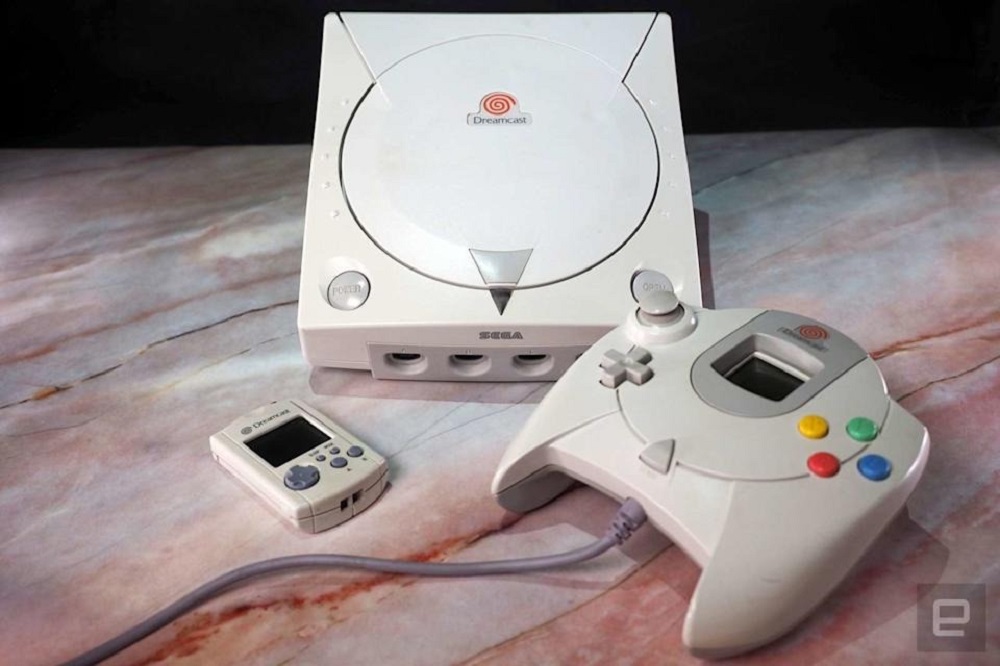
At the turn of the millennium, the gaming world was preparing for the next generation.
Sony’s PlayStation 2 loomed large, Microsoft was preparing its first Xbox, and Nintendo was teasing its next big move.
Amid all this, Sega made one last, passionate attempt to reclaim its throne — the Dreamcast.
Released in 1999 (or 1998 in Japan), the Dreamcast was more than just another console — it was Sega’s love letter to gamers.
It was fast, futuristic, and bursting with creativity.
Yet, despite its brilliance, it burned out too quickly.
And still, more than two decades later, the Dreamcast remains one of the most beloved consoles in gaming history.
So what makes it so unforgettable? Why does it continue to inspire fans, collectors, and developers alike?
Let’s explore why the Dreamcast fanbase refuses to let go.
A Visionary Start: Sega’s Final Gamble
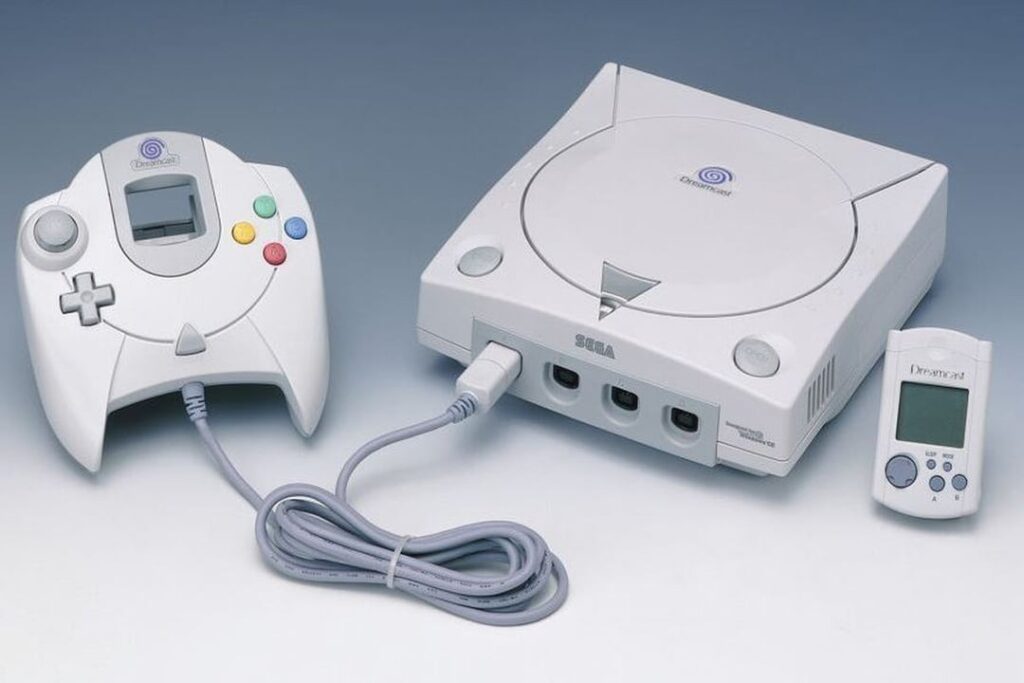
To understand the Dreamcast’s legacy, we need to look at Sega’s mindset in the late ‘90s.
After struggling with the Sega Saturn — a console that failed to compete with Sony’s PlayStation — Sega was desperate to rebuild trust.
The Dreamcast was their comeback statement:
- 128-bit processing power, the first of its kind.
- Built-in modem for online play — unheard of in 1999.
- Windows CE support, enabling easier development.
- Iconic games that pushed boundaries.
It wasn’t just a gaming console — it was a technological revolution.
In a time before broadband was common, Sega had already envisioned online multiplayer and digital connectivity, concepts that would later define modern gaming.
As explored in Sega Dreamcast: Online Before Its Time, Sega’s foresight was stunning — it just arrived too early for the market to understand it.
The Library of Legends
What truly defines a console is its games, and Dreamcast’s library remains one of the most diverse, experimental, and creative ever.
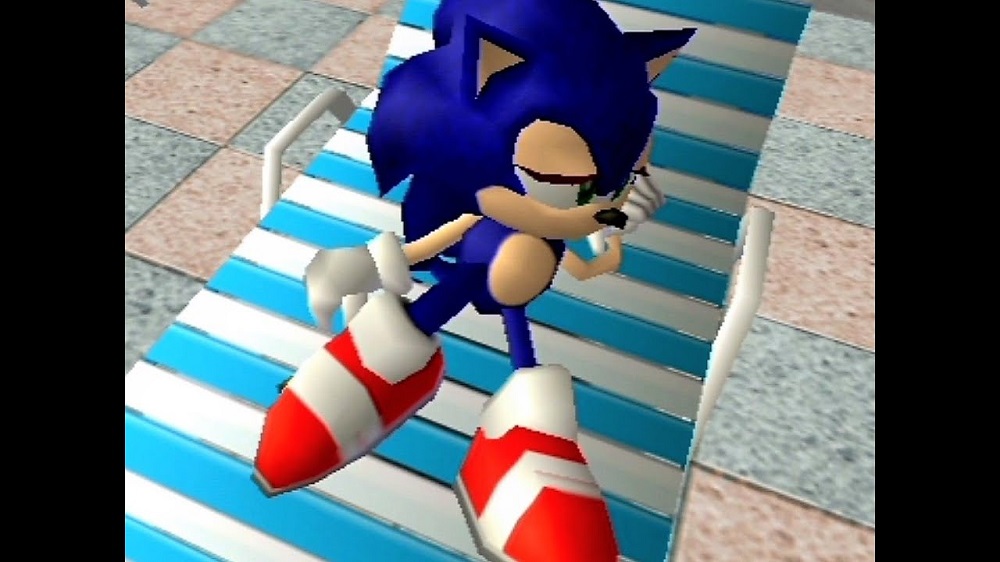
🌟 Iconic Titles That Defined an Era
- Sonic Adventure – Sega’s flagship mascot reborn in a stunning 3D world.
- Jet Set Radio – The first game to use cel-shading, with a rebellious tone that captured urban youth culture.
- Shenmue – A groundbreaking open-world experience blending life simulation, combat, and storytelling.
- Soulcalibur – A launch title so visually advanced, it felt like an arcade miracle at home.
- Crazy Taxi, Phantasy Star Online, and Skies of Arcadia further showed Sega’s ability to innovate across genres.
Each of these games represented something bold and ahead of its time — a trademark of Sega’s creative DNA.
The Dreamcast wasn’t afraid to be weird, stylish, or overly ambitious — and that’s why its games have aged so well.
The Birth of Online Console Gaming
One of the Dreamcast’s most visionary features was its built-in modem — the first console to support internet connectivity out of the box.
Sega’s Dreamarena and later SegaNet services enabled players to battle online in games like Phantasy Star Online and ChuChu Rocket!.
Long before Xbox Live or PlayStation Network, the Dreamcast showed what online gaming could be.
Even today, dedicated fans have revived fan-run servers to keep titles like PSO and Quake III Arena playable online — proof of the console’s enduring legacy and community love.
Innovation in Hardware and Design
From its sleek white aesthetic to the VMU (Visual Memory Unit), the Dreamcast oozed originality.
🎮 The VMU: A Console Within a Controller
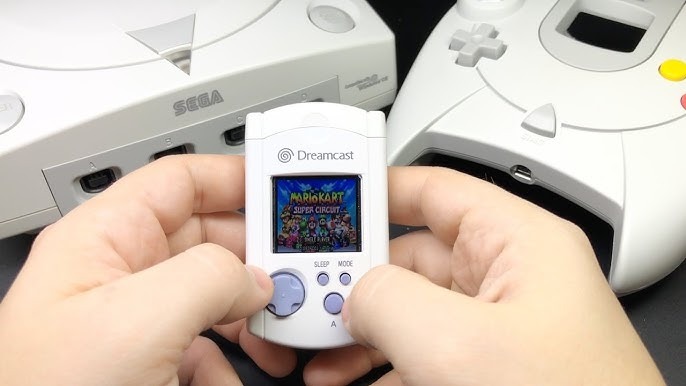
The VMU, inserted into the controller, doubled as a mini-screen and portable game device.
Players could view health meters, play minigames, or transfer data between systems — an early taste of the connectivity later seen with the GameCube’s GBA link or modern companion apps.
The controller itself was divisive but iconic, with analog triggers and modular slots that inspired future designs.
The system also featured VGA output, allowing for near-PC quality graphics long before HD became standard.
Dreamcast was, quite simply, a console built for enthusiasts — the kind of machine that invited tinkering and admiration.
Marketing Chaos and Early Demise
Sega poured its heart into the Dreamcast, but financial wounds from the Saturn and other ventures ran deep.
By the time the PlayStation 2 launched in 2000, Sega couldn’t keep up with Sony’s marketing muscle, DVD playback capabilities, or third-party support.
Retailers lost faith. Consumers saw the Dreamcast as a risk.
And by March 2001, Sega officially discontinued its final console.
As chronicled in The Rise and Fall of Atari, it’s a familiar story in gaming history: innovation rarely guarantees survival.
But while the hardware stopped selling, the Dreamcast spirit never died.
The Cult Community: Keeping the Dream Alive
What’s most remarkable about the Dreamcast isn’t its hardware or sales — it’s the community that continues to thrive 20+ years later.
💾 The Homebrew and Indie Scene
Developers still release new games for the console today — using open-source SDKs and fan-built tools.
Titles like Intrepid Izzy and Xeno Crisis show that the Dreamcast remains fertile ground for creativity.
🌐 Fan Projects and Restorations
Fans have rebuilt online servers, restored packaging, and even remastered classic games for modern displays.
Websites, forums, and YouTube channels dedicated to the Dreamcast keep discussions alive, showcasing mods, prototypes, and preservation efforts.
Why the Dreamcast Endures
So why does the Dreamcast remain loved, decades after its short lifespan?
- Creative Freedom: Sega let its studios experiment fearlessly.
- Innovation: It was the first to embrace online play, high-res graphics, and modular design.
- Community: Fans have preserved it with undying loyalty.
- Aesthetic & Feel: Its clean white design and startup chime are pure nostalgia.
- Legacy: It inspired everything from Xbox Live to indie console scenes.
The Dreamcast wasn’t just a product — it was a philosophy: bold, daring, and deeply human in its imperfection.
The Emotional Factor: Why Fans Still Care
For many, the Dreamcast represents a simpler era — the end of Sega’s console journey and the golden age of gaming creativity.
Owning a Dreamcast feels like belonging to a secret club — one defined by discovery, passion, and the joy of gaming for gaming’s sake.
Its failure gave it a mythic status: the “brilliant console that deserved better.”
And sometimes, that’s all a legacy needs.
Conclusion: The Dream Never Died
The Dreamcast’s story isn’t one of failure — it’s one of unfinished brilliance.
It pioneered online gaming, inspired indie developers, and captured a moment in gaming history where imagination came before profit.
Sega may have left the console race, but the Dreamcast ensured it would never be forgotten.
Even today, when you power one on and hear that iconic swirl, you can feel the optimism of an era when anything seemed possible.
Because the Dreamcast didn’t just play games — it dared to dream.