The 1990s were loud. They were colorful, fast, and unapologetically bold. It was a decade defined by attitude—whether in music, fashion, television, or video games. And in the world of gaming, no company embodied that spirit more clearly than Sega. Sega didn’t just make consoles and games; it shaped a visual language, a cultural mood, and an identity that still echoes through retro gaming nostalgia today.
When people talk about the “90s aesthetic,” they often picture neon colors, sharp angles, graffiti-style typography, rebellious mascots, and a sense of speed and confidence. Much of that imagery can be traced directly back to Sega’s design philosophy during its peak years. Sega understood the decade instinctively—and more importantly, it spoke directly to the generation growing up within it.
The Cultural Landscape of the 90s
To understand Sega’s influence, we need to understand the era itself. The 90s were a turning point. Youth culture was shifting away from the clean, family-friendly tones of the 1980s toward something edgier and more self-aware. Grunge music rejected polish. Hip-hop embraced street identity. Extreme sports celebrated risk and individuality. Everything was louder, faster, and more expressive.
Video games were no exception. Players didn’t just want games—they wanted personality. Sega recognized this shift early and leaned into it with confidence. While competitors focused on safety and tradition, Sega aimed straight at youth culture, rebellion, and coolness.
Sonic the Hedgehog: A Mascot Built for the 90s

At the heart of Sega’s 90s aesthetic was Sonic the Hedgehog, a character engineered specifically to reflect the decade’s energy. Sonic wasn’t cute and passive. He was fast, confident, and just a little bit cocky. His spiky design, bold blue color, and constant motion felt like a visual embodiment of speed and freedom.
Everything about Sonic screamed modernity. The animation emphasized flow and momentum. Levels were designed with loops, slopes, and bursts of speed that made movement feel thrilling rather than methodical. Sonic didn’t wait—he ran. And that philosophy mirrored the restless, kinetic energy of the 90s generation.
Sonic wasn’t just a character; he was a statement. Sega was telling players that games could be cool, stylish, and rebellious. That message resonated deeply with kids and teenagers who wanted something that felt like it belonged to them, not their parents.
Genesis Does What Nintendon’t: Branding as Identity

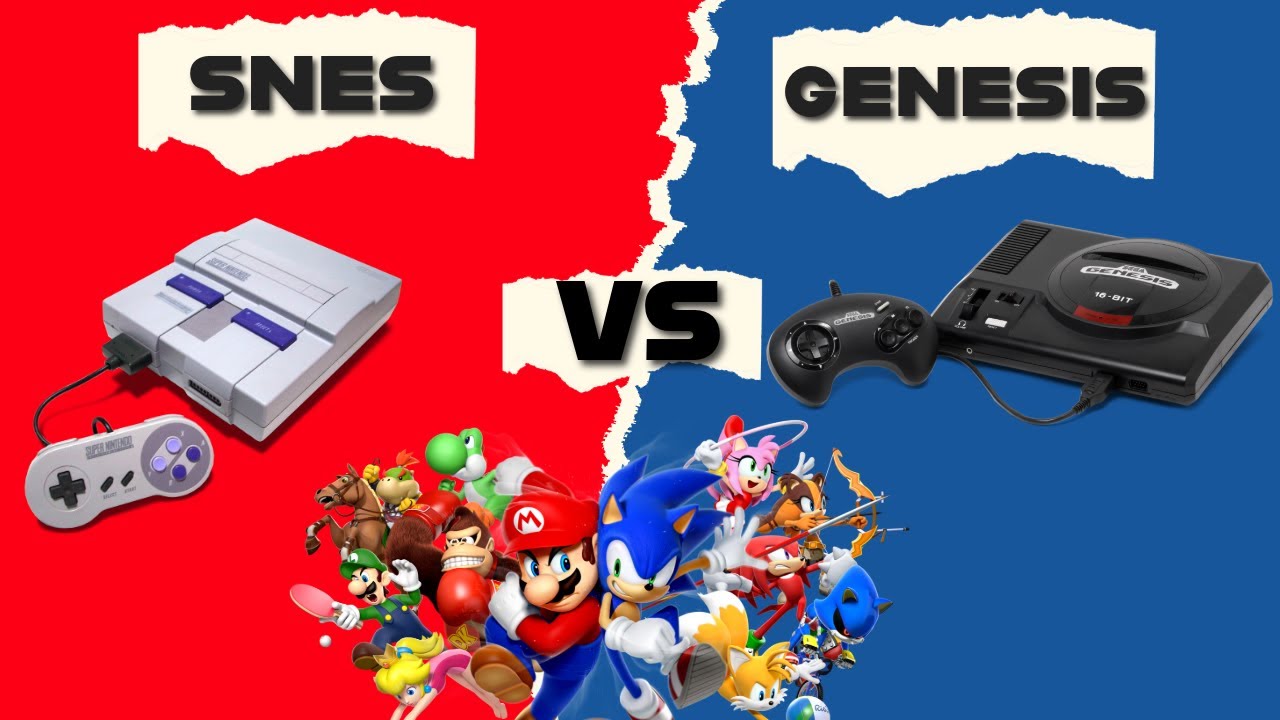
Perhaps the clearest example of Sega defining the 90s aesthetic came not from its games, but from its marketing. Sega’s advertising campaigns were aggressive, provocative, and full of attitude. The famous slogan “Genesis Does What Nintendon’t” wasn’t subtle—it was confrontational.
This wasn’t accidental. Sega understood that the 90s audience valued confidence and rivalry. Their ads featured edgy humor, loud typography, and bold colors. They spoke directly to players, often mocking competitors and positioning Sega as the choice for gamers who wanted something different, something cooler.
The visual style of these campaigns—sharp fonts, high contrast, chaotic layouts—mirrored the design trends of 90s magazines, music videos, and street culture. Sega’s brand didn’t just exist within the decade; it looked like the decade.
You can also read: Sega vs. Nintendo: Ads That Fueled the Console Wars
Visual Design: Color, Motion, and Edge
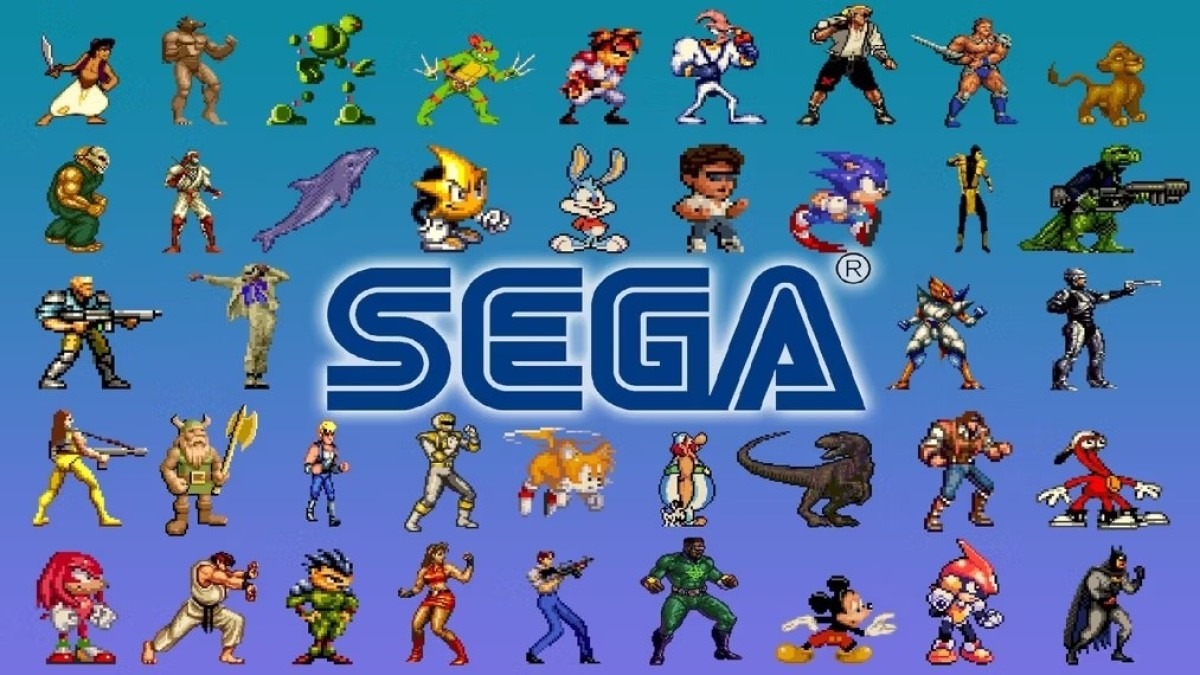
Sega’s games during the 90s shared a common visual DNA. They favored bold color palettes, exaggerated animations, and expressive sprites. Games like Streets of Rage, Jet Set Radio (later in the era), and Ecco the Dolphin showcased a willingness to experiment visually.
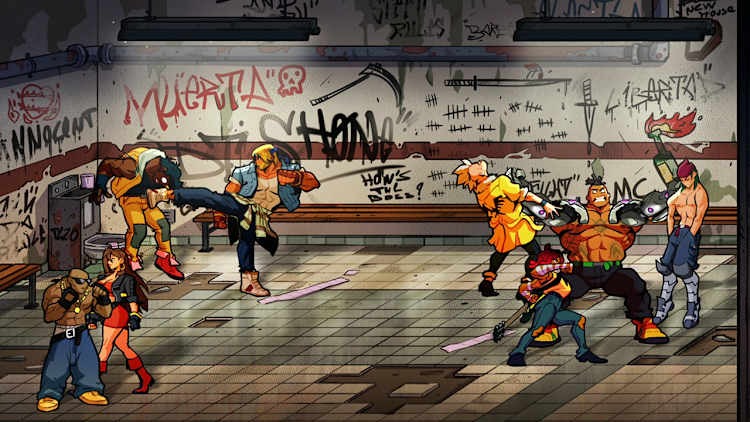
There was a rawness to Sega’s design. Characters looked intense. Backgrounds pulsed with life. Everything felt in motion. Even menus and UI elements often carried a sense of speed and urgency. This wasn’t about realism—it was about energy.
The Sega Genesis itself contributed to this feel. Its sound chip produced gritty, punchy audio that complemented the visuals perfectly. Music in Sega games often leaned toward electronic, funk, or rock-inspired tones, further reinforcing the 90s aesthetic of attitude and edge.
The Console Wars and Cultural Rivalry
The 90s were defined by competition, and Sega embraced the console wars wholeheartedly. Rather than avoiding conflict, Sega turned rivalry into part of its identity. This approach aligned perfectly with the decade’s love for debate, tribalism, and personal choice.
Choosing Sega wasn’t just choosing a console—it was choosing a side. It meant aligning with speed over precision, attitude over tradition, and rebellion over safety. This sense of identity helped Sega cultivate a loyal fanbase that saw the brand as more than just a hardware manufacturer.
That cultural rivalry fueled creativity. Sega constantly pushed boundaries, experimenting with themes, styles, and genres that felt daring and modern. The company wasn’t afraid to fail, and that fearlessness is a hallmark of 90s creativity.
Sega and Youth Culture
What truly set Sega apart was its understanding of youth culture. Sega spoke the language of teenagers and young adults. Its games tackled darker themes, featured tougher characters, and embraced a tone that felt less sanitized than competitors.
This approach mirrored trends in 90s media, where cartoons became edgier, music became more expressive, and fashion embraced individuality. Sega fit naturally into this ecosystem. Its games didn’t just entertain—they reflected the attitudes and emotions of the generation playing them.
Even today, when people look back on Sega’s 90s era, they don’t just remember games—they remember a feeling. A sense that Sega represented freedom, speed, and confidence during a decade that celebrated all three.
The Legacy of Sega’s 90s Aesthetic
Although Sega eventually exited the console hardware market, its influence never truly faded. The 90s aesthetic Sega helped define continues to inspire modern indie games, retro-inspired art, and nostalgic branding. Pixel art with bold colors, fast-paced gameplay, and expressive animation owes much to Sega’s design philosophy.
Sonic himself remains an icon, instantly recognizable as a symbol of 90s gaming culture. His image continues to evoke a time when games felt rebellious, exciting, and full of personality.
Sega’s legacy is not measured only in sales figures or console generations, but in cultural impact. It showed the industry that games could have attitude, that branding mattered, and that connecting emotionally with a generation could leave a lasting mark.
Conclusion: More Than a Console Maker
Sega didn’t just participate in the 1990s—it helped define how the decade looked, sounded, and felt within gaming culture. Through bold character design, aggressive marketing, and a fearless embrace of youth identity, Sega created an aesthetic that still resonates today. Its games were fast, colorful, and unapologetically confident, mirroring the spirit of a generation eager to express itself.
When we remember the 90s in gaming, we remember Sega not only for its technology, but for its attitude. For many players, Sega represented a moment in time when games felt rebellious, personal, and alive with possibility. That is the true power of Sega’s 90s aesthetic—not just nostalgia, but a lasting emotional imprint that continues to shape how we see retro gaming today.