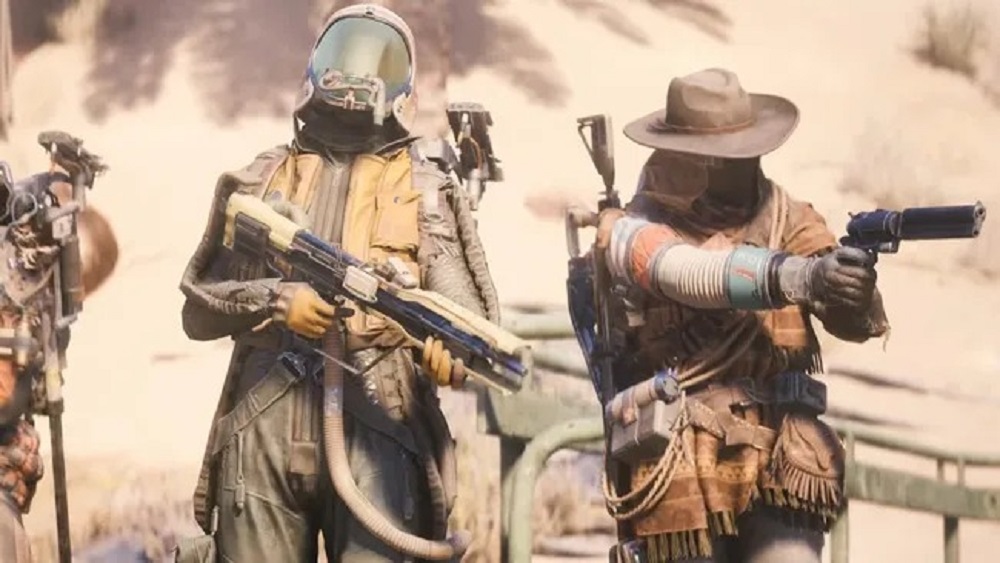
During his 10-year tenure as Nexon CEO, Owen Mahoney was instrumental in signing Arc Raiders, which has become one of 2025’s standout releases. The game’s developer, Embark Studios, has defended its use of AI voices, positioning the technology as a way to punch above its weight. Mahoney, while critical of executives who tout AI primarily as a cost-cutting tool, sees AI as a potential creative enabler rather than just a business shortcut.
Speaking with The Game Business, Mahoney cautions against the current wave of AI hype in the industry, which Rockstar cofounder Dan Houser has likened to “mad cow disease.”
“I’m annoyed when I see executives talk about it as a massive cost-saver, and isn’t that great?” Mahoney says. “And I’m especially annoyed as a customer when I see slop in games, especially AI-generated slop. Everybody’s worried about the multiplication of AI-generated slop — and I wouldn’t disagree with that.”
Many developers remain opposed to outsourcing creative decisions to AI, fearing it could compromise a game’s identity. Yet Mahoney believes AI goes beyond being just a tool. Like Valve boss Gabe Newell, he compares its impact to the dawn of the internet — a major technological shift with the potential to transform production methods.
“Creating better creative — I think it will change the nature of the types of games we’re even able to conceive of,” he says.
Mahoney envisions AI as a way to allow creatives to work at scale, focusing on designing games rather than managing people or tedious tasks. He highlights the “massive diseconomies of scale” in AAA game development, where complexity and costs often stifle creativity.
“Managerial complexity has essentially squeezed out all the creativity in the games business, and we all know that this has been happening,” he notes. The proper use of AI, he suggests, could help counteract this effect.
Looking ahead, Mahoney predicts that the gaming industry could triple in size over the next five to seven years, with AI as a key driver. While it’s unclear whether this growth refers to sales, players, units, or another metric, he believes AI can help engage younger audiences and expand the market despite the industry’s current saturation.
At the same time, Mahoney is realistic about AI’s downsides:
“AI also has an unbelievable ability to create a lot of slop,” he warns. However, he emphasizes that players won’t accept low-quality content.
“I think the market will do what it’s already been doing: rejecting slop and bad product, and only demanding good product,” he concludes.
Mahoney’s perspective highlights both the opportunities and challenges AI presents in game development: it can accelerate creativity and efficiency, but misuse could result in poor-quality content that the market will quickly reject.