
Raider Hatch Keys are essential for surviving raids in ARC Raiders. These single-use consumables allow you to access extraction points to safely leave the surface, making them a valuable resource.
Luckily, Raider Hatch Keys are available early in the game and can be obtained through multiple methods. Here’s how to get them as soon as possible.
Where to Get Raider Hatch Keys
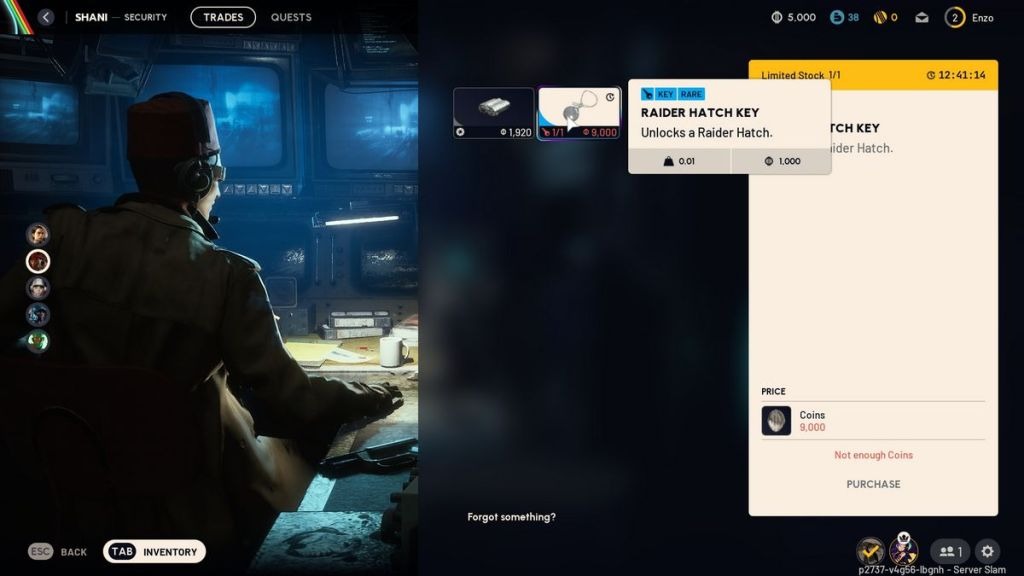
Raider Hatch Keys become available immediately after you complete the tutorial and unlock the traders in Speranza. Head to the traders and look for Shani, who sells Raider Hatch Keys for 9,000 Credits.
At the start, you only have 5,000 Credits, along with a number of inventory items. It’s a good idea to save your Coins first and build up some money before buying keys. You don’t want to spend a Raider Hatch Key on an area where your loadout or loot is worth less than the key itself.
Once you acquire Raider Hatch Keys, store them in your Safe Pocket and only swap them out for items or loot worth more than 9,000 Credits or critical quest items.
Crafting Raider Hatch Keys
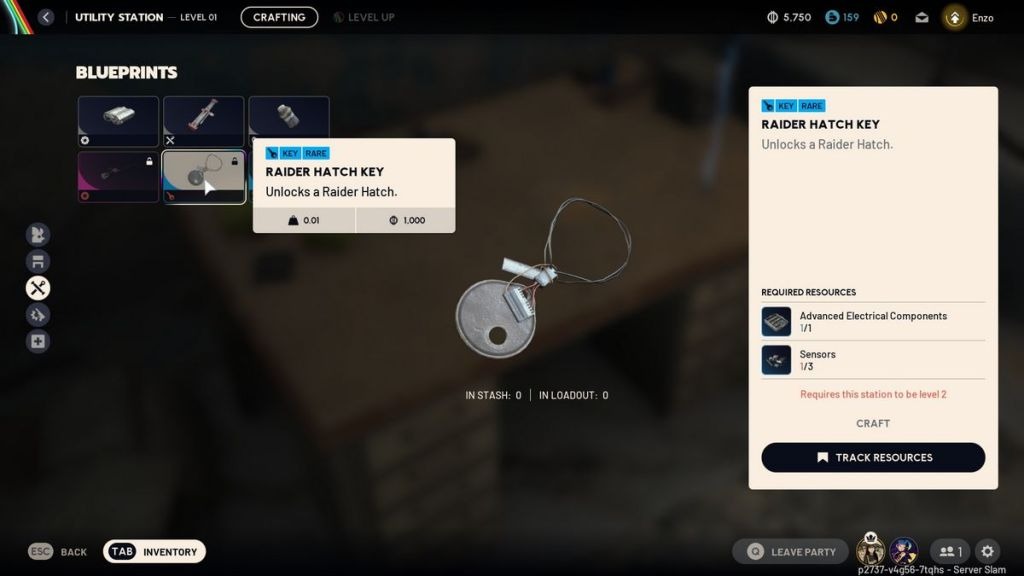
In addition to buying keys from Shani, you can also craft them at the Utility Station, if you have already built one.
- You need a Level 2 Utility Station, which is available early as you upgrade your hideout and collect materials.
- Each Raider Hatch Key requires:
- 1x Advanced Electrical Component
- 3x Sensors
These materials are typically found in electronics and tech loot areas, so if you rarely visit these spots, crafting keys can be more challenging.
How to Use Raider Hatch Keys
- Open your map and locate the nearest Raider Hatch. Multiple hatches may be active at the same time.
- Go to a hatch and use the key to access the extraction point.
⚠️ Be cautious: other players may also try to extract through the same Raider Hatches, and some may camp these areas for easy loot.
The main advantage of using Raider Hatch Keys is that your extraction doesn’t alert nearby enemies in the same way as traditional extraction bunkers. There are also fewer ARC enemies patrolling these hatches, making it a safer way to leave the surface.